 Take China Group Tours in 2025 to enjoy 30% discount compared to a private tour. Same Experience & Lowest Price!











 View Destinations

 Dining:
 Accommodation:


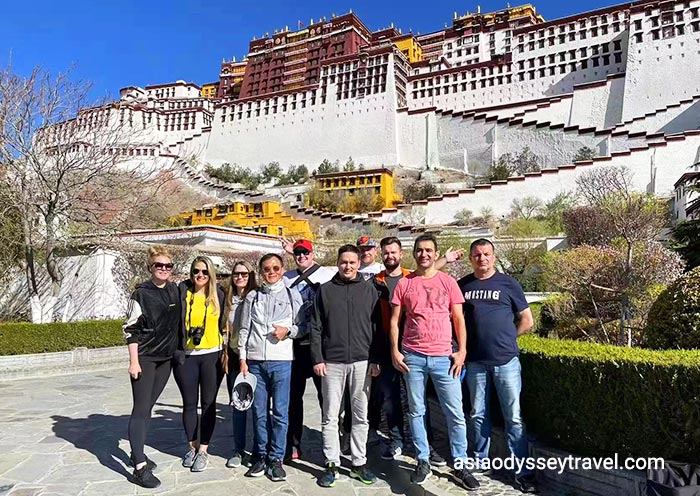
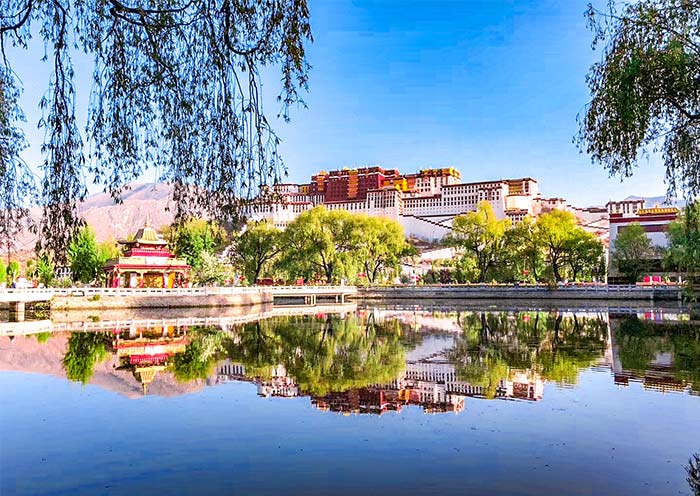
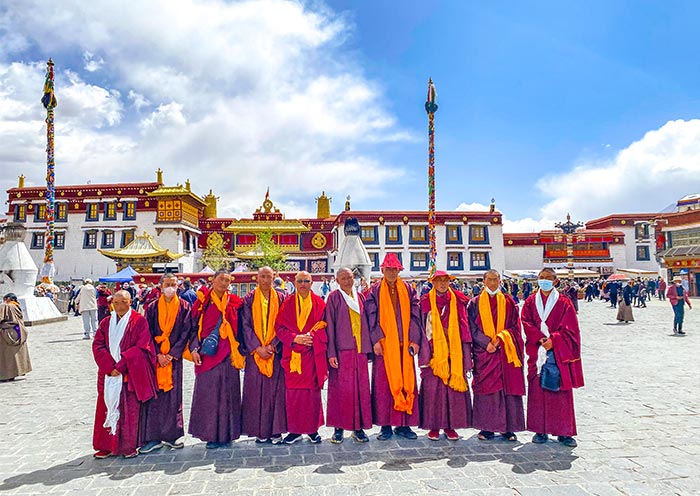

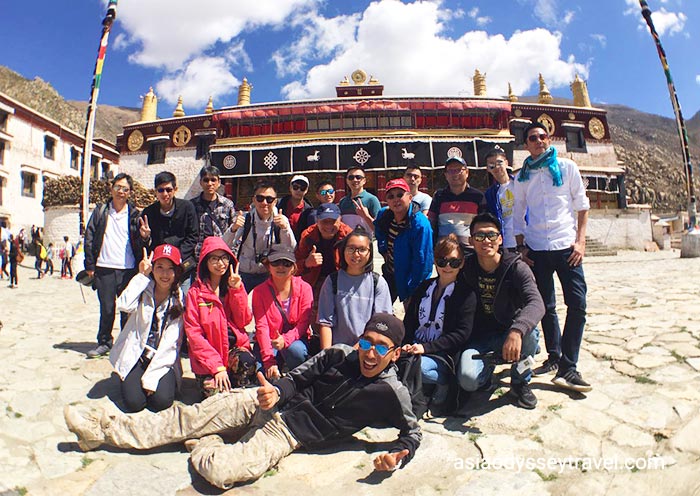





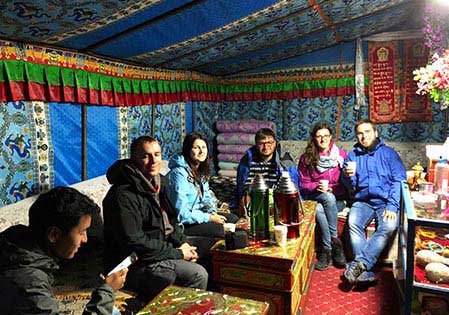


We were on private trip to kailash- Mansarovar through Lhasa with Asia Odyssey travel.
It was a great experience booking with Asia Odyssey travel. Asia Odyssey provided agent Rex to work with us. Rex is amazing individual who helped us through out our journey like carving itenary the way we wanted, provided good comfortable vehicle with very good driver and a very
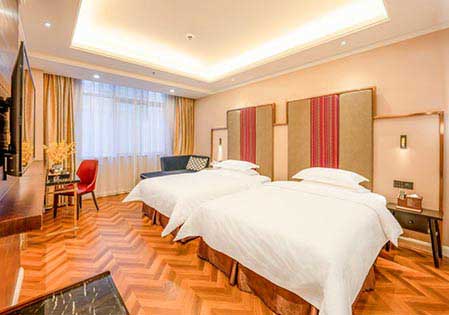
friendly and caring tour guide. We are also satisfied with hotel stay in each city.All stays were upto the standard as he promised they would be. Thank you Rex.we are happy with the deal we got. Rex was in constant touch with us before, during and ending our journey. We requested many changes during our journey due to changed interest and flight schedule . He was there to help us every time.
I would highly recommend to travel with Asia Odyssey specially having Rex by your side.
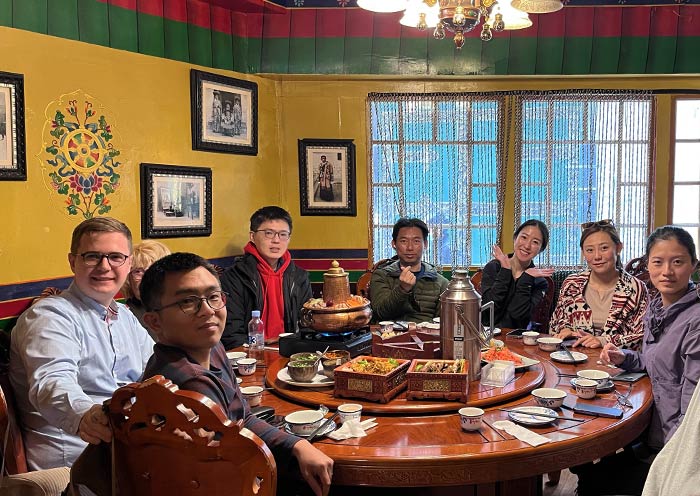
Just one thing I would like to mentions is that the meal plans. I would suggest that if all three meals included in itenary would be great help for vegetarian travellers like us. So we didn't have to worry about food.
Overall it was a very good experience with Asia Odyssey and travel and Agent Rex. Much appreciated
Simple
Canada
It was a great experience booking with Asia Odyssey travel. Asia Odyssey provided agent Rex to work with us. Rex is amazing individual who helped us through out our journey like carving itenary the way we wanted, provided good comfortable vehicle with very good driver and a very
friendly and caring tour guide. We are also satisfied with hotel stay in each city.All stays were upto the standard as he promised they would be. Thank you Rex.we are happy with the deal we got. Rex was in constant touch with us before, during and ending our journey. We requested many changes during our journey due to changed interest and flight schedule . He was there to help us every time.
I would highly recommend to travel with Asia Odyssey specially having Rex by your side.
Just one thing I would like to mentions is that the meal plans. I would suggest that if all three meals included in itenary would be great help for vegetarian travellers like us. So we didn't have to worry about food.
Overall it was a very good experience with Asia Odyssey and travel and Agent Rex. Much appreciated
Simple
Canada
read more
 Gallery



 Lhasa
Lhasa








 Data in submission...